Back in the day, operating a transportation company meant reams of paper, sticky notes across the dashboard, and hoping that your driver would call you to let you know when they were done dropping off a truck full of boxes.
It was chaotic, it was time-consuming, and it certainly was not cost-efficient. Unfortunately, many transportation managers lost sleep over keeping track of everything. But today, things are different. Larger-scale operations have learned how to better keep track without losing their minds.
But it’s not by accident that these operational transformations have come to life. Transportation companies are investing in transport management systems that keep everything in one place. Planning your route is easier, and avoiding hiccups along the way has become more accessible now than ever before.
Visibility Is Revolutionary
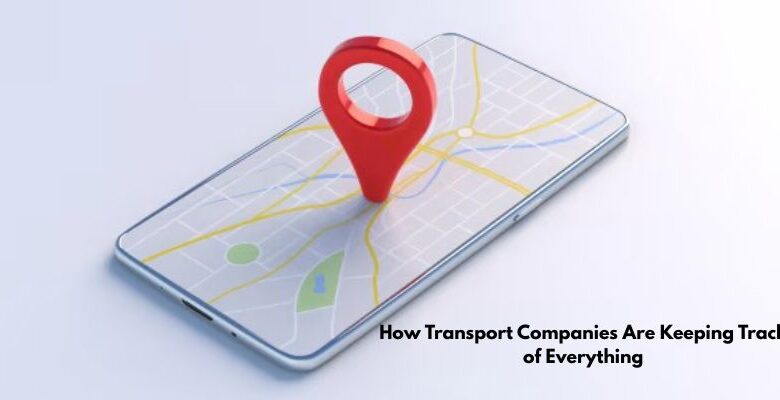
Gone are the days when a transportation manager would have to rely on a driver to call them to know if they got from point A to point B, and if they did, how long it was going to take them to get back to point C. These days, technological advancements place all transport companies on one screen. They know where their drivers are at all times, from traffic delays to sit-and-go options, and anything that might prove relevant at that moment in time.
GPS tracking has evolved for more than just a dot on a map and a “you’ve got this.” Today’s managers can rely on information about braking patterns, speeding realities, gas levels, and even idling. If a client calls up wondering where their delivery is, it’s no longer a begrudging response of “Let’s see where my driver is,” but instead, “I’m looking at it right now.”
In addition, managers can flag issues down the line that they may not have noticed previously, but use correlation and causation techniques to develop better business models. If a driver consistently runs out of gas halfway through their route at the same time their GPS reroutes them for traffic twice a week, it’s time to intervene.
Automation Relieves the Pressure for Human Memory
There’s no way for one person to keep track of 20 deliveries at once and remember which window closes at what time, what special handling process is needed, and what the customer wishes are. Therefore, with the added pressure of hundreds of shipments at once, which exponentially increases paper trails, automated notifications are a godsend.
Modern systems send alerts when deliveries are 20 minutes away. They’ll notify managers when a driver veers off course. They even pre-emptively send customized notifications to customers when it seems like something is delayed enough that attention is required. Proof of delivery isn’t written down anymore; it’s captured via photos/signatures and uploaded instantly to the proper channels without scanning, filing, or needing a human touch to make sure everything is handled properly.
Invoicing occurs after deliveries finish, meaning that companies no longer must question whether the paper dockets match up with what they entered from memory as they tried to find time in their busy shifts to figure it out.
There’s no replacement for human judgment based on potential and personality; yet there’s no need for humans to be strained over remembering basic information or tracking one small act upon completion.
Communication Comes Easily
There was nothing worse than playing phone tag with your driver and dispatch because they couldn’t figure out how to tell customer A what delivery B had in mind before picking up customer C’s shipment from down the street.
But integrated systems have allowed for real-time communication. Drivers get notes sent directly to their mobile devices so that they have everything they need in one place. Customers get automatic alerts as their items go from here to there with engagement prompts along the way. If something has changed, a location for pickup or delivery must be changed, and everyone gets alerted immediately.
Instead of relying on relaying information, those involved get real-time updates on what they need, which means less room for error when everyone is working from the same book versus trying to get a third party to tell them what’s in Chapter 4.
Data Drives Results
Perhaps the greatest element of transformation has taken transportation management from “gut-feel” to data-driven. Companies can assess which routes are more productive than others and which clientele brings in more work than revenue, and even map traffic patterns in areas where potential new offers await.
Instead of leveraging speculation through anecdotal evidence, managers can see how their company’s projections come to life, or why they haven’t yet. They can assume safer business transactions based on actual trends versus presumed patterns.
It’s not about working harder anymore; it’s about working smarter, and those companies who’ve invested the time and energy into technological systems have transformed their day-to-day operations into practical goals without losing sight of what they want and need. Now that everything is accounted for without human burden, companies can ensure growth trends with satisfied customers who continue to benefit as avoidable mistakes have become history.
Conclusion
Managing a transportation business no longer has to feel like juggling a hundred moving parts at once. With modern transport management systems, companies have moved away from guesswork, endless paperwork, and stressful follow-ups. Everything from tracking drivers to updating customers and analyzing performance now happens in real time and in one place.
Instead of burning energy on remembering small details, teams can focus on making smarter decisions, improving customer satisfaction, and scaling operations confidently.
The real win isn’t just efficiency; it’s peace of mind. When data, automation, and communication work together, transportation companies can grow without chaos and without losing their sanity.
FAQs
1. What is a transport management system (TMS)?
A transport management system is software that helps transportation companies plan routes, track vehicles, manage deliveries, and handle invoicing, all from a single platform.
2. How does GPS tracking help transport companies?
GPS tracking provides real-time visibility into vehicle locations, traffic delays, fuel usage, and driver behavior, helping managers make faster and better decisions.
3. Can automation really reduce operational stress?
Yes. Automation removes the need to manually track deliveries, remember deadlines, or send constant updates, allowing teams to focus on higher-value tasks.
4. Is transport management software suitable for small companies?
Absolutely. Many systems are scalable, meaning small and mid-sized transport companies can benefit just as much as large fleets without overcomplicating their operations.