Many business owners see packaging as just a way to get products from one place to another. However, packaging affects much more than shipping. It influences costs, customer satisfaction, and your brand’s reputation.
Cheap or flimsy boxes may seem like a way to save money, but they can lead to damaged products, higher return rates, extra shipping expenses, and lost time for your team. In this article, we will explain why packaging quality matters and how it can impact your business in ways you might not expect.
Where the Costs Hide
One of the biggest mistakes businesses make is comparing packaging only by price. You might see one supplier costs 20% less than another and think you can save a few thousand dollars a month by choosing the cheaper option.
But cheaper packaging usually means thinner cardboard and weaker construction. The boxes might hold up, but only to a point.
When they fail, the costs add up quickly. You have to replace products, pay for extra shipping, spend hours on customer service, and if you sell on Amazon or similar platforms, damage complaints can hurt your seller ratings, visibility, and sales.
The Unboxing Experience Matters
Where do people spend time marketing high-quality products? On their eCommerce websites or product photos! It’s all high-quality digital. And yet, packaging is an afterthought when people ship.
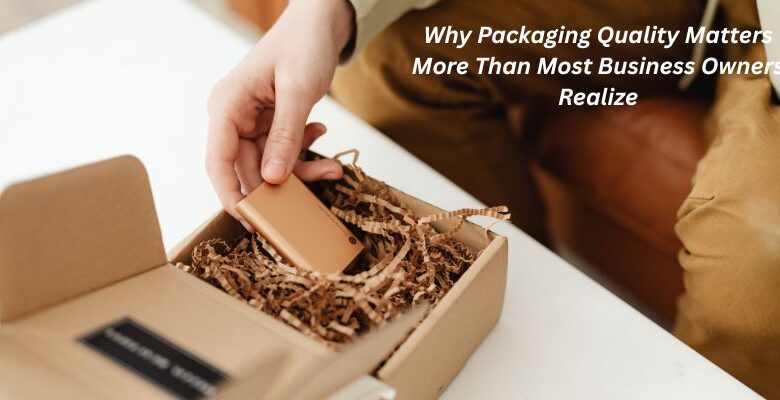
But think about it. The first time someone comes in contact with your box is when they open it. They perceive your company from a box they barely even see in digital form before it arrives on their doorstep.
But if the box is beat up, if the item rattles around inside, if it just looks cheap, everything else goes down in value. People might not think, “wow great box” when it comes packaged perfectly, but they appreciate that their investment came safely to fruition at a professional level. Some people even hold on to boxes for storage (your branding literally sitting in someone’s closet). This is valued too!
Shipping Increases More Than You Think
Heavy packaging costs more to ship. Sure. But oversized boxes cost more, too, from a dimension perspective or excess filler, because the box is so flimsy that it needs extra padding to account for wear and tear during shipping.
Ultimately, it costs more than it should.
This is where working with suppliers who actually understand packaging makes a difference. Companies like Jetbox can help figure out the right size and construction for your specific products, which usually means lighter packaging that still protects what’s inside. That’s the kind of thing that actually lowers costs instead of just looking cheaper on paper.
What else makes a difference? Damage during shipping, thanks to carriers. Chances are you eat that fee too. Better quality packaging leads to smoother insurance claims, easier replacement shipments, and less time arguing with the carrier about who is at fault, because the packaging holds up.
Returns Cost More When Packaging is Poor
Are you selling remotely? Then returns come with the territory. But they don’t have to if you track response rates and quality and how many things actually go back due to packaging, without looking at the correlation between returns and quality rates.
For example, things that arrive damaged get returned (obviously), but things that arrive that look terrible get returned just as much because they think whatever showed up isn’t what they thought they’d ordered.
The experience of opening whatever product also makes a difference. If it’s hard to open, you can be sure they’ll resent whatever product is inside as well.
Not only that, but reverse logistics are a thing. They return without necessarily putting things back together, however. Your quality boxing system helped them get products in, but unless there’s extra tape or substantial design holding it back, it’s damaged on return through an inappropriate version of quality control. Quality packaging can sustain more than using subpar items over and over again!
Your Warehouse Deals With It Too
This is often overlooked, but it is important. Your internal operations suffer when you use poor-quality packaging. Good boxes keep their shape in storage, have consistent sizes for easier stacking, and can even save your team time because they are easier to assemble.
Poorly made boxes with crushed corners, uneven shapes, or ripped cardboard create extra work. Someone has to sort through them, which wastes time. High-quality packaging reduces damage and makes order preparation smoother because flimsy boxes are more likely to be mishandled before they even leave your facility.
Perception Is Key
Let’s be honest: no one’s paying for your product because the box looks nice, yet it absolutely impacts the perceived value of the item being shipped.
Boxes with the right weight and quality feel premium, while cheap boxes feel cheap.
If you’re someone who appreciates a higher quality status or wants to charge premium prices, you can’t sell someone something that’s deemed high-end when it shows up with clearance bins stamped all over it. Even if people do not notice quality directly, they sense it on a subconscious level.
The flip side goes for those working with budgetary concerns. They show unnecessary expense for fancy boxing when money should be saved. They need to keep things simple! Packaging must align with what’s actually inside as well.
Sometimes Mid-Grade is Good Enough
You don’t need to have top-tier everything if you’re sending industrial equipment parts B2B and sending them huge boxes or sending bulk items across the country where packaging really doesn’t matter, but giving someone who’s buying handmade jewelry an exorbitantly cheap box does not suffice.
Do not treat every product the same or just choose the cheapest option. Each business has its own needs. A jewelry company requires higher-quality packaging than a company sending bulk supplies to contractors. Be realistic about what your industry actually requires.
How To Not Mess This Up
The companies that take packaging seriously do it consistently. They test packaging before large orders, track damage rates, pay attention to customer feedback on how products arrive, and consider total costs instead of just the price per box.
They cultivate relationships with owners who package instead of viewing them just like any other vendor. They promote business growth through new products, attempting to vary shipping parameters, and having someone familiar to talk them through their growing needs helps things generally go more smoothly when change is imminent, instead of overwhelming on a whim.
The Bottom Line:
The bottom line is that good packaging costs money upfront, but it affects everything. Customer satisfaction, shipping budgets, return rates, warehouse efficiency, and how others perceive your brand all depend on it.
It may seem like a small detail, but it is an easy way to improve your business. If you choose to cut corners anywhere, do not cut them here. Cheaping out on packaging will end up costing you more in the long run.